
Texas weather doesn’t always stick to the forecast. One day can bring sunshine and warm breezes, and the next, temperatures might drop to near freezing. Your HVAC system is crucial for your comfort while at home and for protecting your property while you’re away. Before leaving town for the holidays, taking a few proactive steps can help you avoid mid-trip worries. AirCo in Fort Worth, TX, wants to help you avoid the stress. Here’s how to keep your HVAC system protected during your travels this holiday season.

Adjust Thermostat Settings Before You Leave
Your thermostat is the first line of defense in keeping your home comfortable and energy-efficient while you’re gone. Adjusting its settings before leaving helps prevent temperature swings that can strain your HVAC system. The correct settings can prevent skyrocketing holiday utility costs.
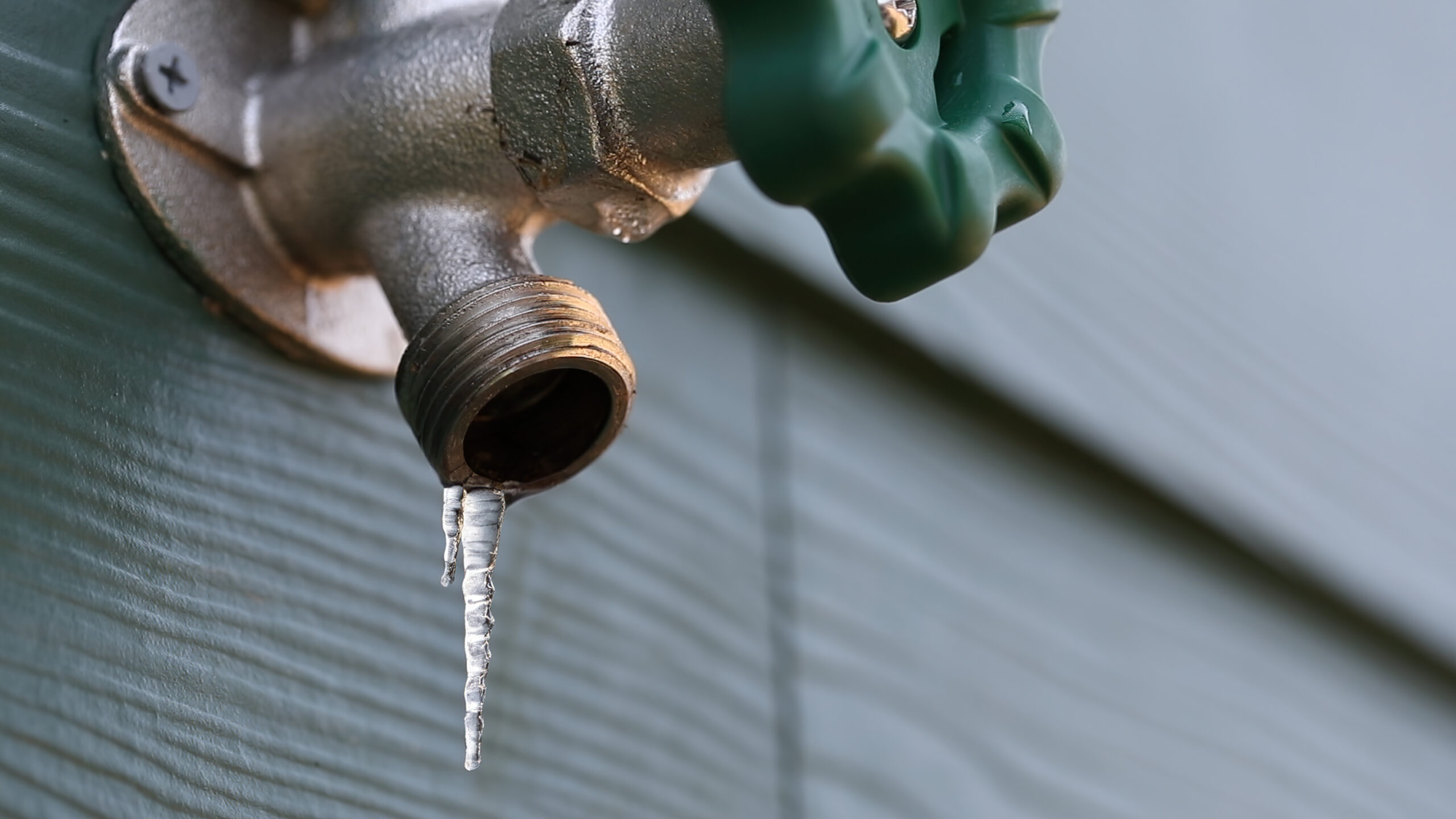
If you have a programmable thermostat, set a vacation schedule instead of simply turning your HVAC system off. In winter, set the temperature to around 60 degrees Fahrenheit. This setting prevents frozen pipes and excess humidity buildup. In summer, set your air conditioner to around 85 degrees. These moderate settings help maintain safe indoor temperatures without wasting energy on an empty house.
Homeowners with smart thermostats gain even more control. Many models allow you to monitor indoor temperatures, humidity levels, and system performance from your phone. You can receive alerts if the temperature or humidity levels fall out of the safe range. They help you catch potential problems early. If a sudden cold front hits Texas while you’re away, you can adjust settings remotely. You no longer have to rely on manual controls.
For larger homes or multi-story properties, consider installing a zoned HVAC system. Zoning divides your home into separate temperature zones, each controlled by an individual thermostat. This setup allows you to reduce heating or cooling in unused areas. A zoned system keeps your system running efficiently and reduces unnecessary strain on your HVAC system. You can continue protecting sensitive areas that contain plumbing or electronics that require stable temperatures.
Inspect Your HVAC Before Traveling
Even a well-set thermostat can’t protect a system that’s struggling with existing issues. Performing a quick HVAC inspection before your holiday trip can reveal small problems before they turn into failures.
Check the Air Filter
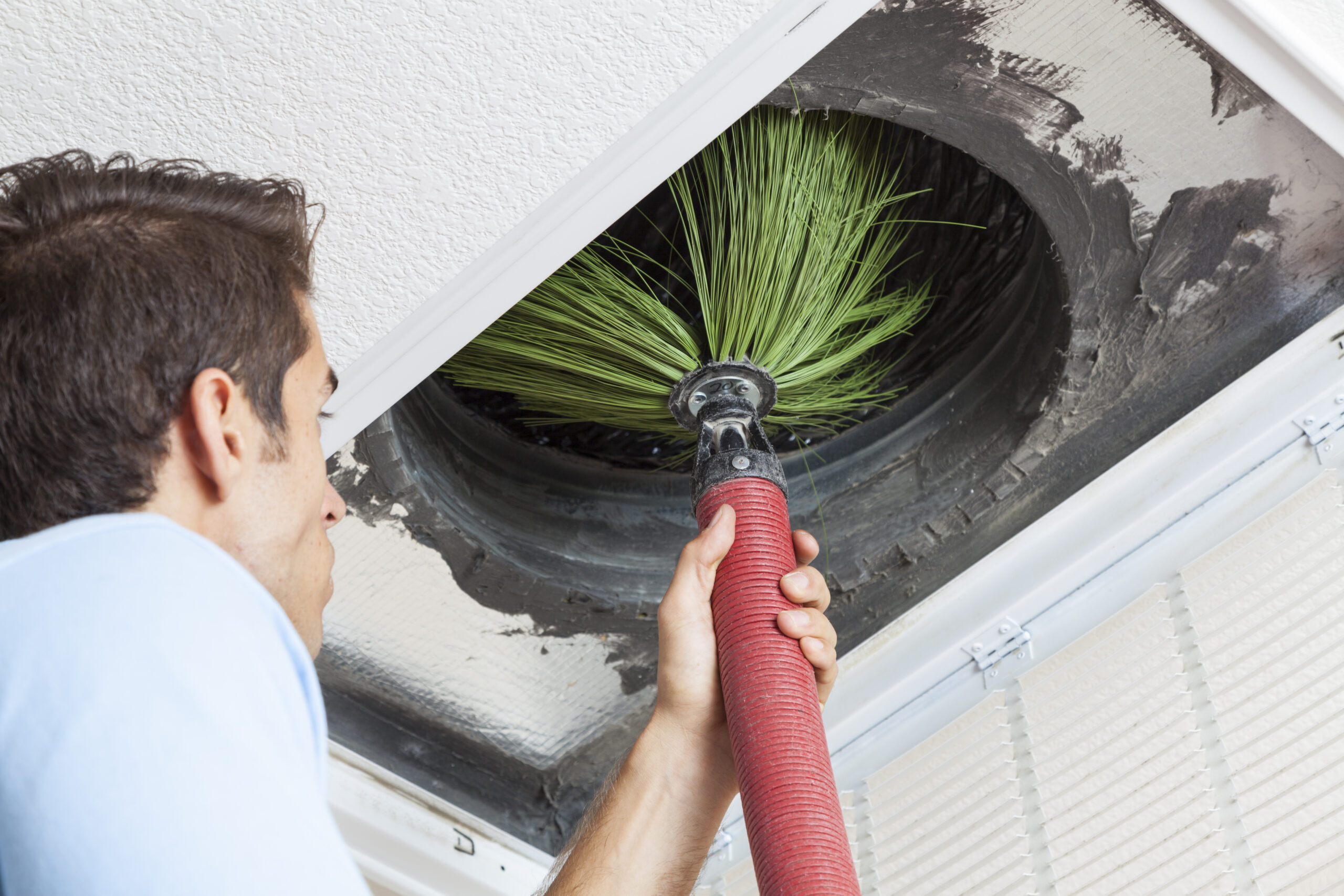
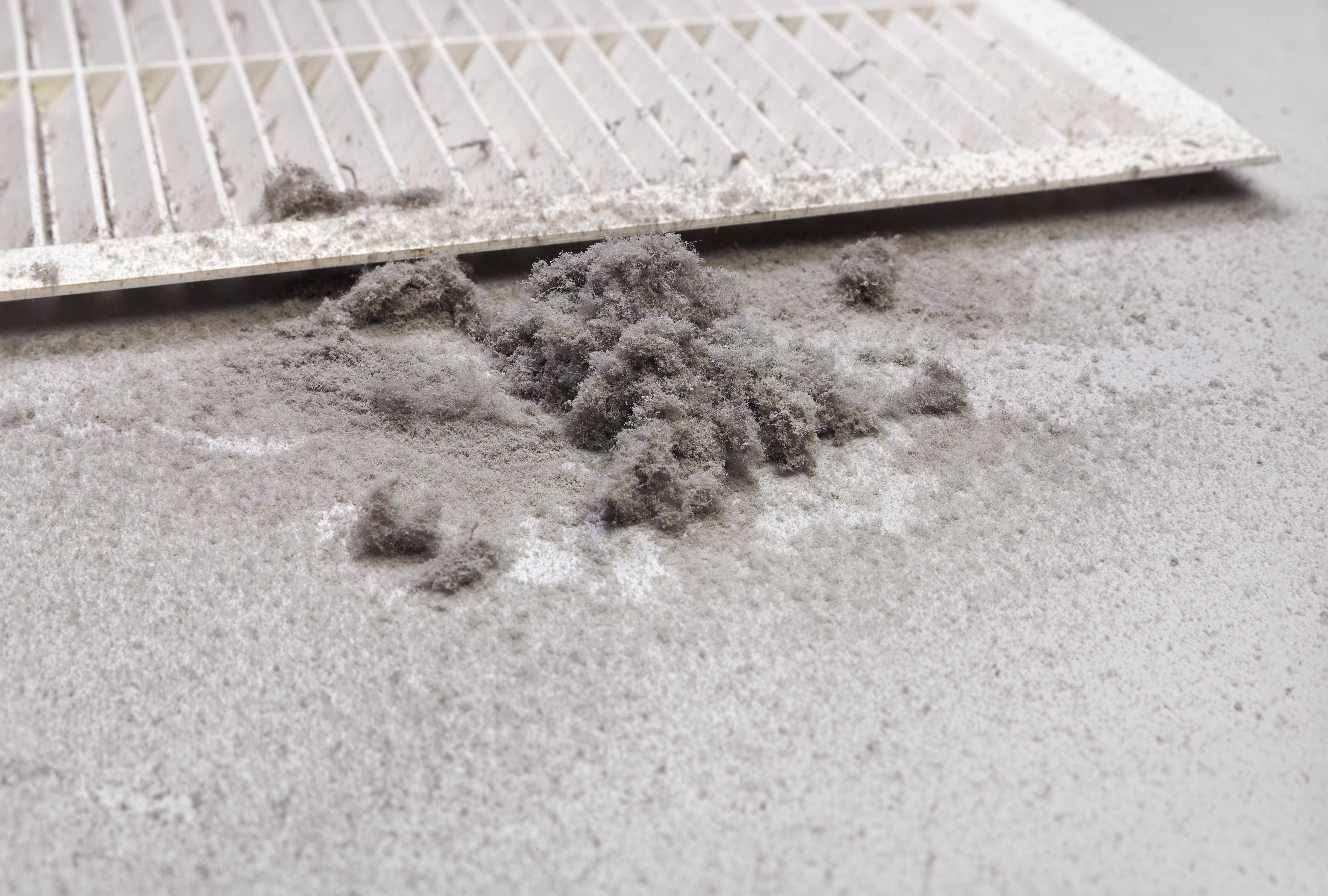
Start by checking your air filter. A dirty or clogged filter restricts airflow, forcing your HVAC system to work much harder and increasing the risks of frozen coils. Replace or clean the filters according to the manufacturer’s recommendations. This simple task increases efficiency, reduces dust buildup, and keeps air circulating freely while you’re away.
Check the Vents
Next, walk around your home and inspect all supply and return vents. Make sure they’re open, unobstructed, and free from dust, furniture, or curtain blockages. Closed vents can cause uneven pressure inside the ductwork. Pressure issues can lead to leaks and damage over time. Balanced airflow helps your system maintain even temperatures with less effort. This is especially important when no one’s home to notice changes.
Check the Outdoor Unit
It’s important to check the outdoor unit for debris. Texas winds can dislodge leaves, branches, and dirt, causing them to become clogged in your condenser or heat pump. Clear at least two feet of space on all sides of the unit to maintain proper airflow and prevent overheating. We also recommend scheduling your annual HVAC maintenance appointment before launching your holiday trip. We can ensure your system operates safely throughout the season.
Prevent Electrical and Power Surges
Texas storms and power fluctuations go hand in hand, especially during the winter months when grid demands spike. Sudden surges can damage delicate components of the HVAC system, including circuit boards, compressors, and thermostats. Installing surge protection is one of the most effective ways to shield your HVAC system, giving you peace of mind while you’re away.
A whole-home surge protector connects directly to your electrical panel, blocking excess voltage before it reaches your HVAC system. If your HVAC system doesn’t already have surge protection, consider installing it.
Surge protection can help you avoid emergency HVAC repairs. Some surge protectors offer real-time alerts in case a storm passes while you’re away from home.
Enjoy Your Holiday Trip With a Protected HVAC System
As the holidays approach, many Texas homeowners take to the roads or skies for travel. Before packing your bags, take these steps to ensure your HVAC system operates safely and efficiently. We’ll be happy to check your system for safe operation so that you can have peace of mind. With our services, nothing will sap your joy this season, and you’ll return to a comfortable home, rather than facing unexpected repair costs.
Contact AirCo today to schedule an HVAC maintenance appointment.