

Far too often, it’s easy to fall into the mindset that temperature is the only factor that affects your indoor comfort. In reality, humidity plays a significant role in how you feel. It affects how you breathe, how your skin feels, and how your body functions. The humidity level indoors can even affect how hard your HVAC system has to work to keep you comfortable.
When homeowners start learning about humidifiers and dehumidifiers, two of the first questions they have are: “How do humidifiers work,” and “how do dehumidifiers work?” Understanding the role they play in indoor humidity control is the key to solving your humidity problems in Texas.
Quick Humidity Basics
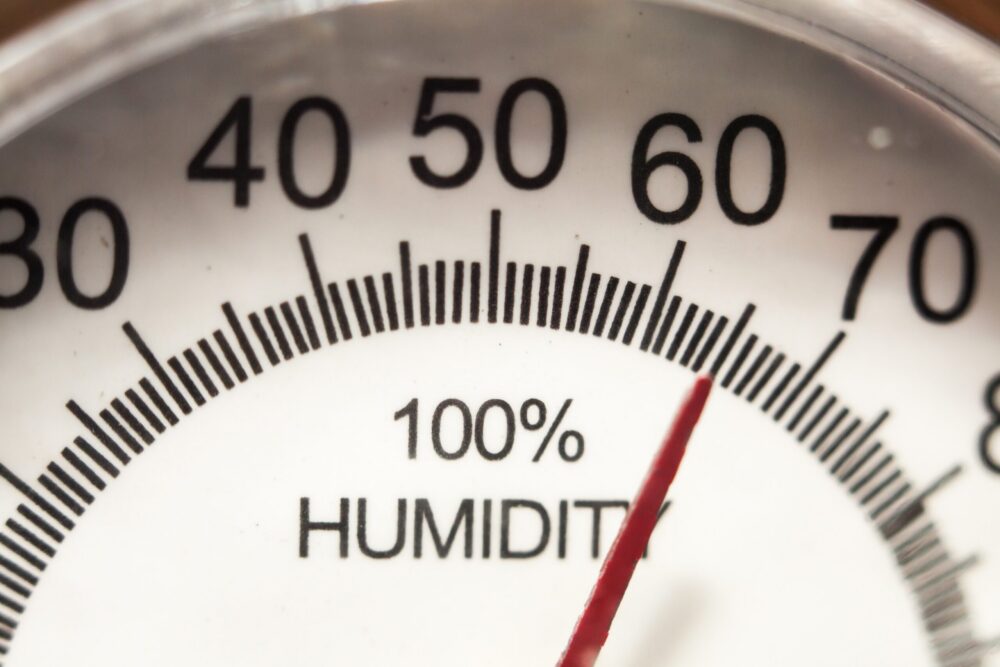
Simply put, humidity is described as the amount of moisture in the air. When the air holds too much moisture, it can feel overly sticky and uncomfortable. However, when there’s not enough moisture in the air, it can feel dry and cause irritation of your skin, sinuses, and even your throat. For most homeowners, the ideal indoor humidity range is between 30 and 50%. This optimizes comfort, protects your wood items, and supports better indoor air quality.
It’s important to realize that Texas experiences some very wide swings in humidity throughout the year. Some seasons have extremely dry air, while others can create excessively humid and heavy conditions. Because of the extremes this area experiences, whole-home dehumidifiers and whole-home humidifiers are great options for all area homeowners.
Why Humidity Control Matters for HVAC Performance
Controlling your humidity in your Texas home can have a big effect on the performance of your HVAC system. When the indoor humidity level is too high, the air can feel much warmer than it actually is. This can have you lowering the temperature on your thermostat to try to feel more comfortable. Unfortunately, this causes your air conditioning system to run longer cycles and increases your energy usage.
On the other hand, when the humidity levels are too low during the colder months of the year, it can make you feel colder. This can have you turning up the temperature on your heating system to stay warm. This will lead to longer run cycles for your heater and more energy consumption.
When you’re able to maintain balanced humidity in your home, you can have moderate thermostat settings that will allow your HVAC system to perform optimally. This will reduce strain on your system, improve its efficiency, and extend its overall lifespan.
How Do Humidifiers Work?
The whole goal of a whole-home humidifier is to add more moisture to the air. This is necessary when humidity levels are too low during the colder months of the year. By introducing more moisture into the air, your air will be able to retain more heat for longer. This can have you feeling warmer without having to constantly turn up the temperature on your thermostat. It will also prevent unnecessary sinus and throat irritation due to dry nasal pathways.
How Do Portable Humidifiers Work?
There are a couple of different styles of humidifiers you can purchase for your home. The first is a portable humidifier, which works to humidify a particular room in your home. While this can be great for smaller spaces, it’s not a great option for a whole-home solution.
How Do Whole-Home Humidifiers Work?
A whole-home humidification system is the perfect option for homeowners who are looking to control the humidity throughout their entire home. These get installed right alongside your HVAC system and use your existing ducting. They work by introducing water into the air as it passes through your ductwork naturally when your heating system is running.
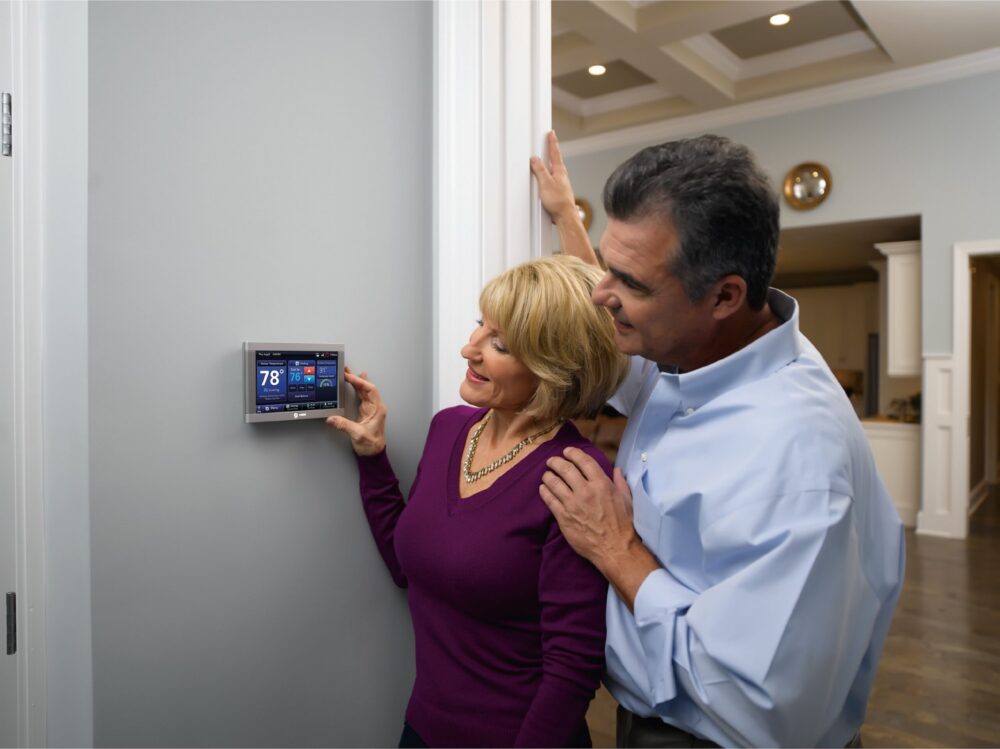
You simply set your desired humidity level on your thermostat, and your whole-home humidifier will kick on whenever the humidity level gets too low. It will continue to introduce humidity into the air while your heating system is running until it reaches your desired relative humidity level. With a whole-home humidifier, you’ll get more consistent humidity in your home.
How Do Dehumidifiers Work?
When there’s too much humidity in the air, it can create several different problems. It will make you feel uncomfortable because your body is unable to get rid of the sweat it produces to cool you down. This can cause you to turn the temperature down on your thermostat and increase your energy bills. To make it even worse, excess indoor humidity creates the perfect environment for unwanted mold and mildew growth. This can exacerbate your asthma and allergy symptoms.
A whole-home dehumidification system works to remove excess moisture from your air. Just like a humidification system, a whole-home dehumidifier gets installed inside your existing duct. While your air conditioning system does remove some humidity from the air as it functions, it’s not great for removing large amounts of humidity. Instead, this is where a whole-home dehumidifier shines. It will extract moisture from the air to lower your humidity to your desired relative humidity setting.
How Do Portable Dehumidifiers Work?
Most people are familiar with portable dehumidifiers. These are small units that you set on your floor or on a surface in your home. They’re great for spot treating issues like muggy bedrooms or a small basement. They work by pulling moisture from the air and putting it into a tank. You physically have to empty the tank when it gets full for your dehumidifier to continue running.
How Do Whole-Home Dehumidifiers Work?
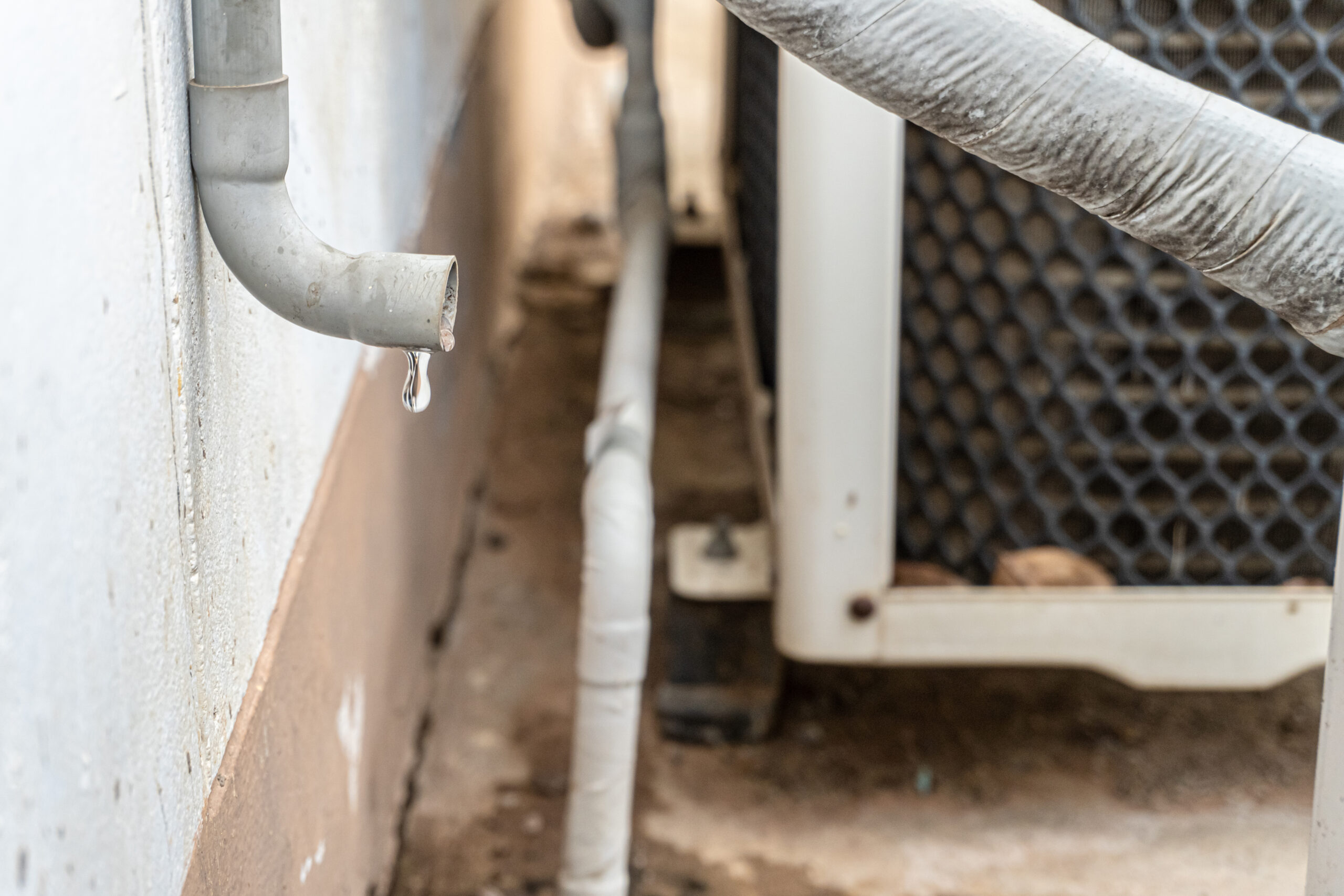
When you’re treating the humidity throughout your entire home, you need a whole-home dehumidification system. This is simply more cost-effective and more efficient for removing high levels of indoor humidity. These units have a hardwired drain line that will take care of removing all the water that it pulls out of the air. Whole-home dehumidification systems simply require annual maintenance alongside your HVAC system to prevent unwanted mold and mildew growth.
Signs You Need a Humidifier vs a Dehumidifier
As a homeowner, it’s important to understand the humidity inside your home. Being mindful of the signs that you have too high humidity or too low humidity can allow you to effectively treat your home accordingly. Below, we’ll look at some of the most common signs that you need a humidifier or a dehumidifier for your household.
Here are key signs you need a humidifier.
- Dry skin
- Scratchy throat
- Static shocks
- Cracking wood
- Waking up congested
- Feeling cold even when the heat is on
Here are key signs you need a dehumidifier.
- Clammy air
- Musty odors
- Window condensation
- Sticky rooms
- Visible mildew
- Allergy flare-ups
- AC running but still feels muggy
What’s Better in Texas, Whole-Home or Portable?
When it comes to humidity problems in Texas homes, both portable and whole-home systems have their place. If you’re just dealing with a small temporary problem in one room, a portable unit may be all that you need. However, if you’re dealing with poor indoor humidity levels throughout your entire home, then a whole-home system will provide more consistent control and comfort.
When humidity levels are off in your home, it can have a significant impact on your general well-being and how you feel. Humidifiers are great for adding moisture during the winter months, and dehumidifiers are great for removing it during the summer months. If you’re struggling with humidity problems in your Texas home, it’s time to contact AirCo to get a professional evaluation and determine the best solutions for you.