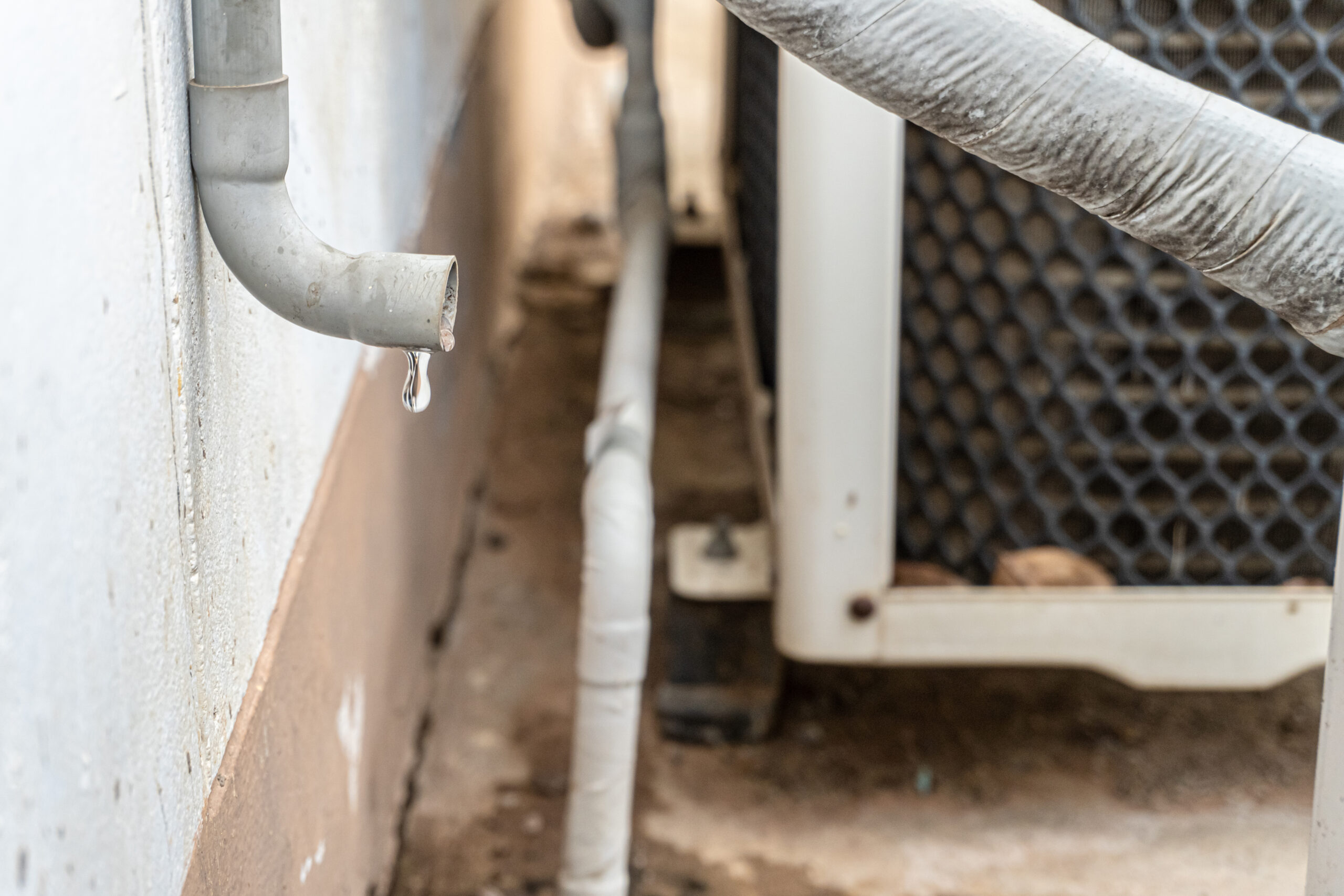


Your home’s plumbing fixtures should last for years with little maintenance. However, it’s vital to pay attention to them, as even tiny malfunctions can be consequential. Plumbing problems can waste water, lead to hidden damage, and cause endless frustration. In this article, we’ll detail the signs to look for that indicate the need to replace plumbing fixtures. We’ll also discuss how to know when a repair will suffice rather than a replacement.
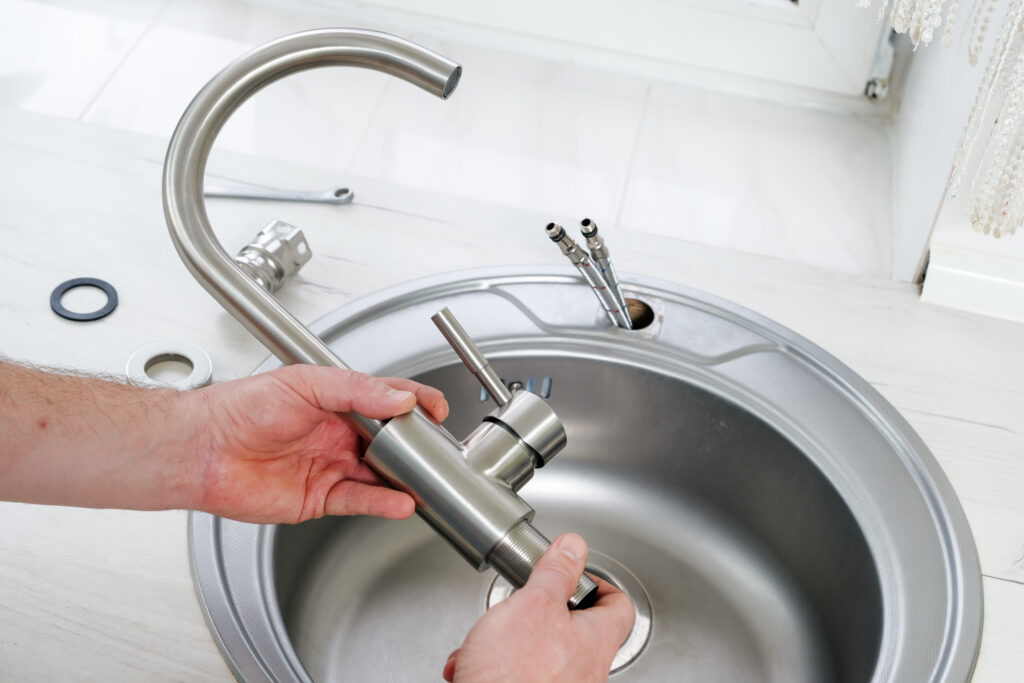
Quick Checklist: Signs a Fixture Is Near the End
Some signs that replacement is needed are obvious. For example, if any of them develop noticeable leaks, it’s clear they need at least a repair. The more severe the leak, the greater the odds that replacement is the right solution. You should also remain alert to any degradation in your fixture’s functionality. For example, if you struggle to turn a faucet’s handles or flush a toilet, it could be time for replacements.
Look for the following additional signs that you should consider replacing plumbing fixtures:
- Inconsistent water pressure
- Visible cracks or corrosion
- Outdated appearance
- Inefficient water usage
- Recurring moisture after cleaning
- Rocking toilet
Toilets: Cracks, Water at the Base, and Hidden Leaks
Several specific problems can force you to consider a toilet replacement. One is spotting any cracks in your toilet’s tank or bowl. Even the slightest hairline crack can lead to trouble, even if there’s no leak yet. There’s no reliable way to repair cracks in a porcelain toilet, and they can worsen at any moment. When that happens, your home could suffer severe water damage. You should also look for signs of leaks around the base of your toilet. These can indicate internal degradation, which means you need a new toilet. Ignoring that kind of problem could lead to a damaged floor or subfloor.
Faucets and Sinks: Performance Problems You Can See and Feel
Your home’s faucets and sinks are the workhorses of its plumbing system. As a result, they often suffer wear and tear that leads to problems you can see and feel. Here’s what to look for.
Signs Your Faucet Is Wearing Out
When a faucet approaches the end of its useful life, it may display symptoms that make its condition clear. One is a faucet that continues dripping after you turn it off. Sometimes, you may need to use extra force on the handles to stop the drip. Another symptom is handles that feel stiff or squeak when you turn them. And if you see visible corrosion on a faucet, it’s only a matter of time before that turns into a leak.
It’s important to note that repair is an option for some faucet issues. Replacing worn washers, O-rings, seals, and valves is a common solution. However, if your faucets need frequent repairs or show heavy corrosion, replacement is the best option.
Sink Issues That Point to Replacement
Your home’s sinks are among its most durable plumbing fixtures, but they’re not indestructible. You should remain alert to chipped or cracked basins, which may worsen over time. Persistent leaks around the drain or rim can also indicate excessive wear. Malfunctioning sink features or sprayers are another common sign that a sink needs replacement.
Occasionally, you may have reason to replace a sink even if it’s in good condition. This can happen if you’re redecorating and a sink no longer fits your décor. Sometimes, an existing sink may not suit the layout of a remodeled kitchen or bathroom. In both situations, it may be time to replace an otherwise functional sink.
Showers and Tubs: Warning Signs Behind Walls and Under Tile
Just like sinks and faucets, your home’s showers and tubs can develop issues that point toward a need for replacement. The following are some of the problems to watch for.
Drips, Poor Control, and Water Pressure Swings
Changes in your shower’s functionality can signal a need for fixture replacements. One example is difficulty maintaining a consistent temperature. Another is water pressure that suddenly changes while you’re showering. Worn-out shower fixtures may also continue dripping long after you shut them off. Their handles may feel loose or grindy, indicating excessive internal wear. Addressing such symptoms with a shower faucet replacement is vital, as they can indicate water waste or more severe internal fixture damage.
Shower Water Where It Shouldn’t Be
Occasionally, your shower itself may suffer enough wear to warrant a complete replacement. Common signs include recurring grout failure in the same spot, damaged drywall near your tub, or excessive mildew. And if you notice water stains on the ceilings below your bathroom, take action immediately. That can indicate a severe leak somewhere around your tub or shower. Replacing your shower or tub provides the opportunity to address and eliminate underlying issues.
Old Fixtures: The Hidden Costs Homeowners Don’t Notice Right Away
Sometimes, age alone can make a fixture replacement worthwhile. Aging fixtures often develop slow leaks you won’t detect immediately, or they may suddenly fail, causing significant damage. Repair costs for older fixtures can also add up quickly. And that doesn’t even address the inefficiency of older plumbing fixtures. High-efficiency upgrades can pay for themselves over time.
Repair vs. Replace: How to Make the Call Without Guessing
Choosing between a fixture repair and replacement doesn’t have to be difficult. For example, you’ll know when to replace a faucet if it has severe corrosion, recurring leaks, or needs repeated repairs. Bathtub replacement signs include cracking and visible deterioration. In short, if a problem has no simple solution or a repair won’t meaningfully extend a fixture’s life, replacement is the better choice. On the other hand, repairing a one-time issue on a fixture that’s otherwise in good condition is perfectly reasonable.
You should also weigh the advantages of a new fixture when deciding between replacement and repair. Enhanced functionality, easier cleaning, and water savings can all make replacement a wise decision. Ultimately, you must choose the option that best fits your short- and long-term needs.
Schedule a Plumbing Inspection
The clearest signs of fixtures that need replacement include leaks, corrosion, inconsistent performance, and recurring problems that keep coming back. If you spot any of them, don’t wait. Schedule a plumbing inspection to determine the scope of the problem. Doing so can help you avoid water damage and unnecessary inconvenience. We offer comprehensive fixture services to remedy any issue. So if you need plumbing fixture replacement in Dallas-Fort Worth, contact AirCo today.