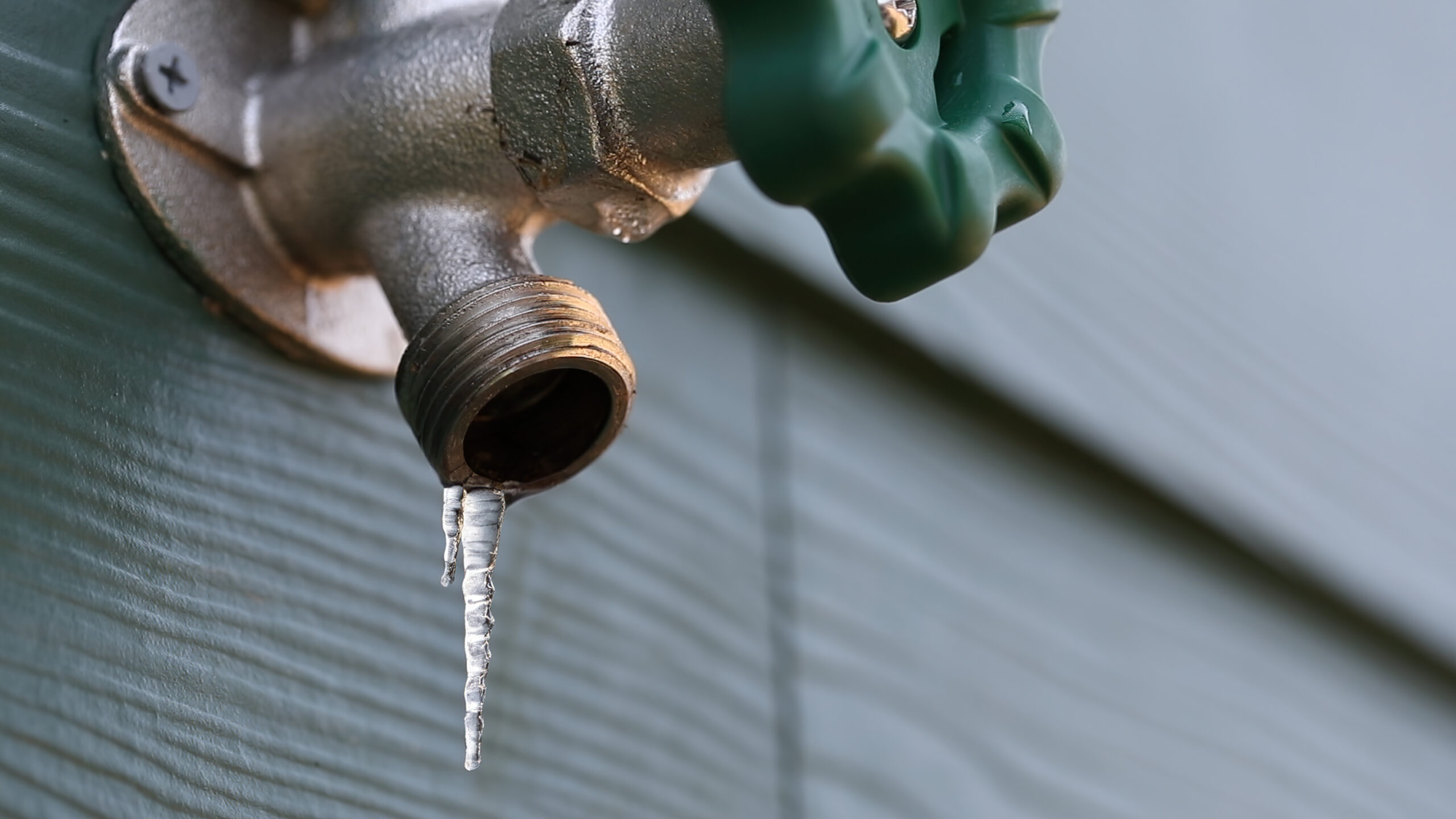


It happens every winter here. A cold front swoops down from the plains, causing low temperatures to hurtle below freezing. The next day, the news has stories of burst pipes all over the Metroplex. Sometimes, this is a result of people not realizing just how badly a cold snap can affect plumbing. Or, people who just moved to the area don’t realize how unprotected our homes are from the cold. If you’re new to home ownership or have just moved here, you must pay close attention. Cold snaps in Texas can damage your pipes. Here’s what you need to do.
Why Pipes Freeze in DFW Homes
Our area dips below freezing just about every winter. So, why are Texan homes so prone to having frozen pipes? It’s because our homes aren’t built with enough insulation. Homes in states up north are built with more insulation and buried pipes. Our homes also tend not to have heating in crawl spaces, either. Many homes are built on slabs, too, and pipes can freeze in there.
So, instead of having protection from the cold all winter, our homes are essentially left exposed. The result is that each winter, residents need to act when freezing temperatures arrive.
How to Prevent Freezing Damage
If there’s any risk of a freeze, take preventive action. If you have time to insulate exposed pipes, do so. That’s one of the most effective burst pipe prevention techniques available.
You’re not going to be able to open walls and insulate the pipes inside. So, open cabinet doors to expose more wall space to warm interior temperatures. When you heat your home, the heat also warms up the interior walls. However, closed cabinet doors block that heat from reaching the walls at the back of the cabinet. When you open cabinet doors, you let that warm air heat everything up. The heat can transfer through to the pipes, hopefully keeping them above freezing.
Next, drip the faucets. Despite using the word “drip,” you’re not going to actually let the water drip. You want it to run out in a thin, continuous stream. It’s harder for moving water to freeze. It still can freeze, but if it’s moving, it will take longer to do so. The goal is to keep it moving until temperatures warm up.
What to Do if a Pipe Bursts
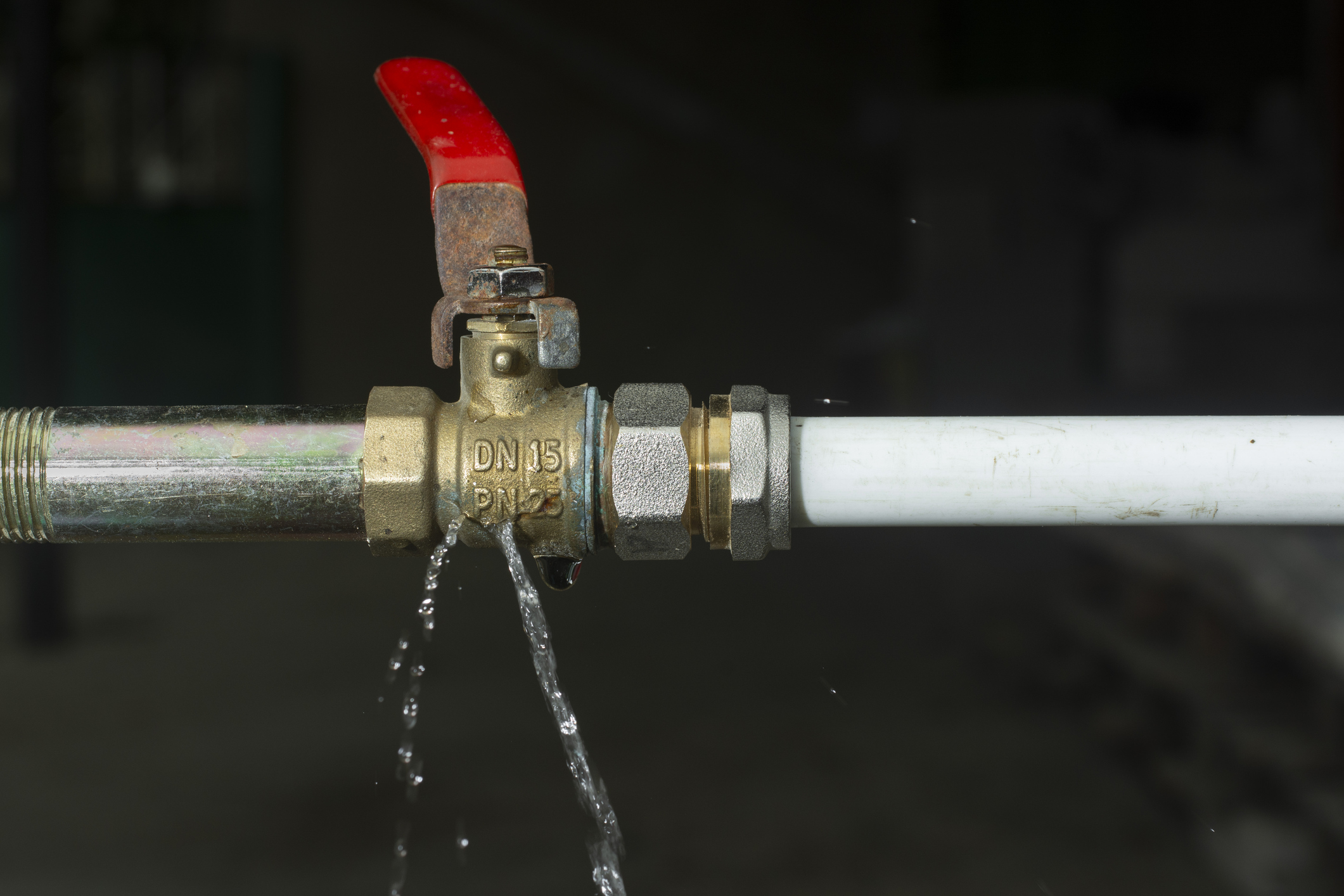
The second you realize a pipe has burst, shut off the water to your home. If the pipes froze in one area, there’s a good chance they might have frozen in another area. This is why you want to turn off the water to your entire house. Don’t try to isolate one section of pipe in hopes of keeping your water on.
Immediately open the faucets in your home. Turn each of them on to drain excess water out of the pipes. You need to let the water run into a drain. Otherwise, it can eventually flow to where the hole in the pipe is and drain out onto your floor. Flush toilets, too. And yes, do this step after turning off the water, or else more water will flow into the pipes.
Look up if your home is multistory. That includes apartment-style condo buildings with stacked units. You need to be sure a pipe hasn’t burst above you. Get out of the room if you see the ceiling sagging.
It may help to turn off the electricity to the room where the leaking water is. That water can affect wiring in the walls and submerge outlets.
Once the water is off, call a plumber for emergency help. After an ice storm or cold snap, there tend to be a lot of calls regarding burst pipes. So, there may be a lot of competition for plumbers at that point. It’s imperative that you call quickly to arrange for pipe repairs.
AirCo handles frozen pipe repair in DFW after a cold snap. We’ll add new pipes or repipe as necessary. We can search for additional problems like slab leaks, too. And preventive plumbing services protect your home from those plunging temperatures in the first place.
Whether you want winter plumbing tips or need immediate help with pipes after a freeze, call us today!