
Homeowners often use air purifier, air cleaner, and filtration system interchangeably. The challenge is that these products work in different ways and solve different problems. If your goal is to reduce dust in your Dallas home, manage allergies, cut down on odors, or improve overall comfort, choosing the right solution starts with understanding what each one actually does.
In this guide, we break down the air purifier vs. air cleaner conversation in plain language and compare those options to a whole-home air filtration system. We will also share a quick “best for” guide and explain how layered indoor air quality solutions can work together for stronger results. If you’re dealing with DFW indoor air quality concerns like heavy dust, seasonal allergens, or pet dander, this can help you choose a solution that fits your home and goals.
Air Purifier vs. Air Cleaner vs. Filtration System: What’s the Difference?
These three categories may sound similar, but they target different issues. Some focus on neutralizing contaminants, while others focus on capturing particles. In many homes, a layered approach is the most practical path because no single product addresses every concern.
Air purifiers neutralize or deactivate certain contaminants, such as bacteria, viruses, or mold-related particles, as air moves through the HVAC system. A common example is a UV air purifier installed in a way that supports continuous treatment of air or surfaces inside the system.
Air cleaners capture very fine airborne particles using electrostatic attraction. An electronic air cleaner is often used when the goal is to capture particles that can slip through standard filters, such as fine dust or smoke-related particles.
Air filtration systems remove airborne particles through filtration beyond a basic filter. A whole-home air filtration system typically uses a larger filter cabinet or a dedicated filtration setup to improve particle capture while supporting healthy airflow.
It’s also helpful to know that these options can work together. Many homes benefit from layered indoor air quality solutions, especially when the home has multiple concerns, such as dust plus allergy triggers or odors plus humidity-related issues.
Which One Is Best for Allergies, Pets, and Dust?
The best choice depends on what you want to improve most. Some households mainly want fewer particles and less visible dust. Others want added protection for germ and mold concerns. Many want a strong baseline that supports cleaner air without overcomplicating maintenance.
“Best for” decision guide:
- Visible dust and particles: whole-home filtration
- Pet dander load: electronic air cleaner
- Smoke particles: electronic air cleaner
- Germ and mold concerns: UV air purifier
- Strong baseline for most homes: upgraded filtration
- Better upkeep and performance: consistent air filter replacement
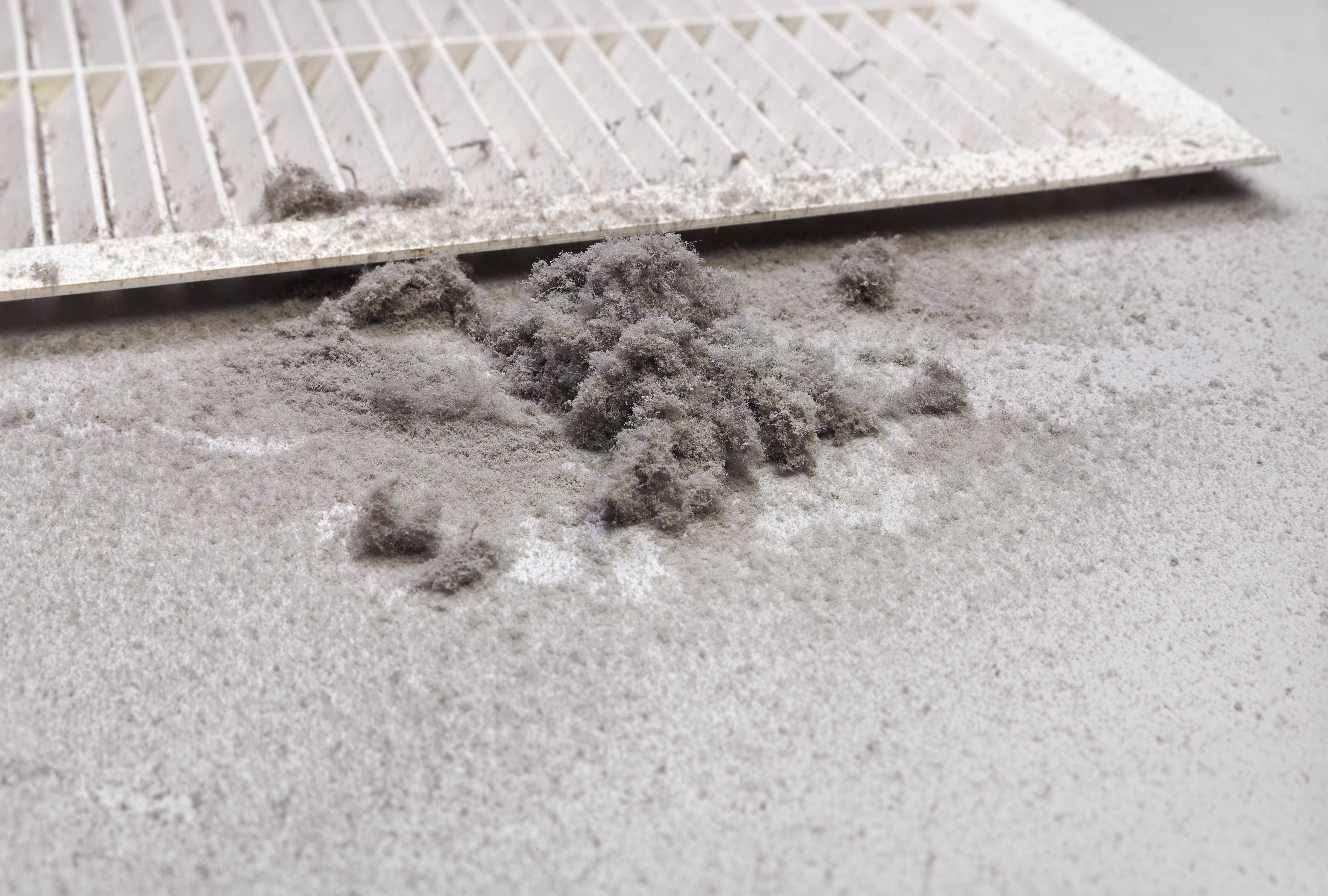
If your biggest frustration is dust settling quickly on furniture or your home always feels hazy, upgrading filtration and particle capture tends to provide the most noticeable change. If your primary worry is microbial growth or germ exposure, UV air purifier options can be a smart add-on. If you want a reliable starting point regardless of the concern, a better filter setup paired with an air filter replacement schedule that fits your home can deliver a strong baseline.
What Does an Electronic Air Cleaner Do?
An electronic air cleaner uses electrostatic attraction to capture fine particles that standard filters may miss. Air passes through a charging field, and particles receive an electrical charge. Those charged particles are then pulled toward collector plates. This approach is often used to reduce fine dust, smoke-related particles, and heavier pet dander loads in homes that feel persistently dusty.
This can be a strong option when you want more than basic filtration, but you also want the system to keep airflow stable. Capturing fine particles can support cleaner surfaces and fewer airborne irritants. It can also complement other indoor air quality solutions when you want a more complete approach.
Because electronic systems rely on consistent operation and proper upkeep, performance depends on correct sizing, correct installation, and ongoing service. If you’re exploring an electronic air cleaner for a dust-heavy home, we recommend an indoor air quality assessment to match the right system to your HVAC setup and air volume needs.
How Do Whole-Home Air Filtration Systems Compare to Standard Filters?
Standard filters are designed to protect your HVAC equipment and capture a portion of airborne particles. Many modern homes are also built more tightly than older homes, which can reduce natural air exchange. That means indoor particles can recirculate more frequently, especially during heavy heating and cooling seasons. A whole-home air filtration system is designed to capture more particles while supporting consistent airflow through the ductwork.
It’s important to set expectations. Filtration is about capturing particles, and effectiveness depends on the system type, the filter media, and proper airflow. A filter that’s too restrictive for your system can reduce airflow, which can hurt comfort and system performance. That’s why professional sizing matters.
Maintenance also matters. Air filter replacement is not just a reminder on a calendar. A clogged filter increases resistance, which can reduce air movement, increase runtime, and limit how well the system can manage comfort. The right replacement schedule depends on the filter type, household conditions, and how often the system runs.
If you’re looking for options that go beyond a basic filter, AirCo offers IAQ services and filtration upgrades through our air filtration systems solutions. We can help you select a setup that fits your equipment and goals whether you want dust reduction, allergy support, or better overall comfort.
How to Combine Systems for the Best Results
Many homes see the best results when solutions are layered. That doesn’t mean every home needs every product. It means the system should match your priorities. If your main goal is to reduce dust in the house, filtration and particle capture tend to be the foundation. If odors, microbial concerns, or system hygiene are part of the picture, a UV option can be the right complement.
Good, better, best examples:
- Good: upgraded filter and consistent replacement
- Better: whole-home filtration or electronic air cleaner
- Best: filtration plus electronic air cleaner plus UV purifier
A good setup starts with the basics done correctly. That means selecting a filter that fits your system and following a realistic air filter replacement schedule. A better setup adds stronger particle capture, either through whole-home filtration or an electronic air cleaner. This can help reduce fine dust and pet dander. A best approach adds a UV option for additional support, especially if your concerns include mold-related particles or system hygiene.
We also encourage homeowners to think about the symptoms they want to change. If your home feels dusty within days of cleaning, particle capture should be prioritized. If your main issue is odors, we may recommend a different combination. If allergies are the main driver, filtration and airflow balance often provide the most consistent improvement.
Schedule Indoor Air Quality Solutions With AirCo
If you have been searching for the right answer to the air purifier vs air cleaner question, the next step is matching the solution to your home and system. A UV air purifier can support homes focused on germ and mold concerns. An electronic air cleaner can help with fine particles, like dust and smoke. A whole-home air filtration system can provide a strong baseline for cleaner indoor air when installed and maintained correctly.
AirCo helps homeowners improve DFW indoor air quality with services designed to reduce airborne particles, improve comfort, and support healthier air throughout the home.
We can help you choose the right combination based on your goals, your HVAC system, and what you want to notice day to day. To explore your options, schedule an indoor air quality assessment with us today!